!
Latest updates
How to Get to Koh Lanta: Flights, Roads and Ferries
Updated 8th Sep 2026
Things to Do on Koh Lanta: Diving, Old Town and the National Park
Updated 8th Sep 2026
Krabi Province Guide: Airport, Krabi Town and Choosing a Base
Updated 8th Sep 2026
Thailand for couples: which islands and parks close, and when
Updated 8th Sep 2026
Thai domestic flight tickets: fare rules, baggage deadlines and passenger rights
Updated 8th Sep 2026
Ao Nang - Krabi Destination Guide
Updated 3rd Sep 2026
Ao Nang is one of the ten subdistricts (tambons) of Mueang Krabi District, with a 2020 population of just over 14,000 and an administrative area of 50 square kilometres. It functions as Krabi province's main resort town, a base with hotels, restaurants and tour operators built up along the seafront and its side streets.
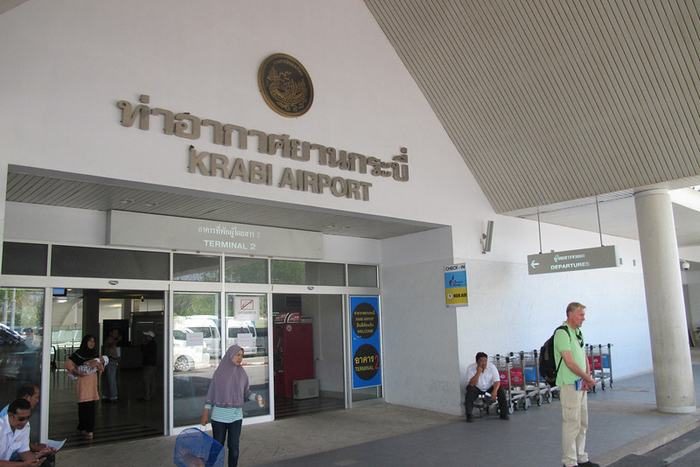
Ao Nang has no airport of its own. The gateway is Krabi International Airport (KBV); see Krabi Airport for how that transfer works. For the wider province, its karst landscape and the Andaman monsoon season, see the Krabi destination guide.
Ao Nang's beach and seafront
Noppharat Thara beach is part of Hat Noppharat Thara-Mu Ko Phi Phi National Park, which also takes in a stretch of the mainland coast around Ao Nang and the islands offshore. Ao Nang's own beach is a little over a kilometre, not a long stretch of sand.
Ao Nang's own beach is described in traveller accounts as having cloudy water and coarse, near-muddy sand at the waterline, with constant longtail traffic offshore, so many visitors treat it as a base and a sunset spot rather than a swimming beach. Noppharat Thara, the quieter continuation of the same coastline to the west, is the usual suggestion instead, though it is tide-dependent: the sea retreats a long way at low tide, and accounts of its water clarity are mixed.
Thailand's tourism authority reported in August 2025 that box jellyfish are occasionally seen in parts of Krabi, including waters inside Hat Noppharat Thara-Mu Ko Phi Phi National Park, more often during the monsoon months. Its advice is to follow posted notices and lifeguard guidance, and not to swim after heavy rain, after dark, or outside marked safety zones.
Railay: reached from Ao Nang by longtail
Railay, also spelled Rai Leh, is a peninsula between Krabi town and Ao Nang, cut off from the mainland by limestone cliffs, with no road in at all.
Longtail boats run directly from Ao Nang's own beach through the day, from one of two informal boarding points along the beach road, and drop passengers at Railay West. They wait until a boatload of passengers has gathered, commonly around eight, rather than keeping to a timetable, so the wait varies. On a very low tide or in rough seas, departures shift instead to Nopparat Thara Pier a few kilometres away, with a transfer laid on, so it is worth checking with your hotel that morning where the boats are actually leaving from.
Accounts put the service at roughly 8am to 6pm, with a separate, dearer service after dark. The crossing itself is short: accounts put it at ten to fifteen minutes across open water, depending on sea conditions.
The peninsula has four named areas: Railay East, where boats from Krabi town arrive, with a boardwalk of shops and restaurants; Railay West, the main swimming beach; Ton Sai, favoured by climbers and backpackers; and Phra Nang, at the southern tip. Railay is known worldwide for rock climbing on its limestone cliffs, with routes ranging from complete beginners to experienced climbers. Phra Nang Cave, on the same peninsula, is named specifically on the national park's own page.
Eating and evenings
Ao Nang's main tourist street runs a walking-street night market after dark, with food stalls, shops and a mix of Thai and international restaurants; Indian restaurants recur along the strip in several accounts. Evenings run to beach-road bars, beachfront spots with live music and open-air venues, low-key by Thai resort-town standards rather than a club scene.
Day trips from Ao Nang
The standard day trip from Ao Nang is a longtail or speedboat tour sold as the four-island trip: Koh Poda, Chicken Island (Koh Gai), Tup Island (Koh Tup) and Phra Nang Beach, all reachable within roughly half an hour of Ao Nang by boat. Phra Nang Beach is not actually an island: it is the beach at the southern tip of the Railay peninsula, covered above. Tup Island is reported to be two islets joined by a sandbar exposed at low tide, with a further sandbar reported to link it to Chicken Island at low tide.
The islands are inside Hat Noppharat Thara-Mu Ko Phi Phi National Park, and a park entry fee is charged on landing, separately from what you pay for the boat. Some tours include it and some do not; check which before you book. Longer day trips to Koh Phi Phi are also possible from Ao Nang; see the Koh Phi Phi destination guide for what is there.
Separately, a Portuguese man o' war closure in June 2026 covered named sites on Phi Phi Don and in Mu Ko Lanta National Park; it did not name Ao Nang or Noppharat Thara, and no reopening notice for either closure had been reported by early September 2026.
Who Ao Nang suits
Ao Nang works as a base rather than a destination, with the accommodation, food and tour desks that Railay itself does not have. Everything worth doing nearby (Railay, the four islands, the Phi Phi crossing) starts from its beach, while staying on Railay gets you the cliffs but a shorter list of places to eat and no way off after the last boat. It suits families and budget travellers reasonably well, given the range of accommodation and food on offer.
It suits anyone wanting an untouched or quiet beach less well: Ao Nang's own beach works better as a transit and sunset spot than a swimming one. Divers and climbers are usually directed to Railay or Ton Sai rather than Ao Nang specifically.
Frequently asked questions
What is Ao Nang like?
Ao Nang is Krabi's main resort town: an officially recognised subdistrict with hotels, restaurants and tour operators along its seafront, plus a night market that runs after dark. Its own beach works better for sunset drinks than for swimming; Noppharat Thara next door is the usual choice for that instead.
How do I get to Railay Beach from Ao Nang?
By longtail boat directly from Ao Nang's own beach; there is no road to Railay at all. The crossing takes ten to fifteen minutes depending on conditions, and on a very low tide or in rough seas the departure point shifts to Nopparat Thara Pier instead, with a transfer laid on. Boats wait until they have a full load rather than keeping to a timetable, so check with your hotel that morning.
What day trips can I do from Ao Nang?
The standard day trip is the four-island boat tour, taking in Koh Poda, Chicken Island, Tup Island and the beach at Phra Nang, all inside Hat Noppharat Thara-Mu Ko Phi Phi National Park. Longer day trips to Koh Phi Phi run from Ao Nang too.
Is Ao Nang good for families or backpackers?
Reasonably well for both: the accommodation, food and tour-booking range covers most budgets. It suits neither a quiet-beach seeker nor a specialist diver or climber particularly well, since Railay and Ton Sai cover those better.